This book was exceptional ★ ★ ★ ★ ★
Stories of displacement, unwrapping, spectacle, and even consumption. Mummified: The stories behind Egyptian mummies in museums is not a book about the history and practice of mummification in ancient Egypt. Instead, it is the story of many ancient Egyptian human remains' second lives that lead to museums, store rooms and personal collections. Angela Stienne confronts the often traumatic second lives of Egyptian mummified human remains at the hands of Westerners in the 18th and 19th centuries.
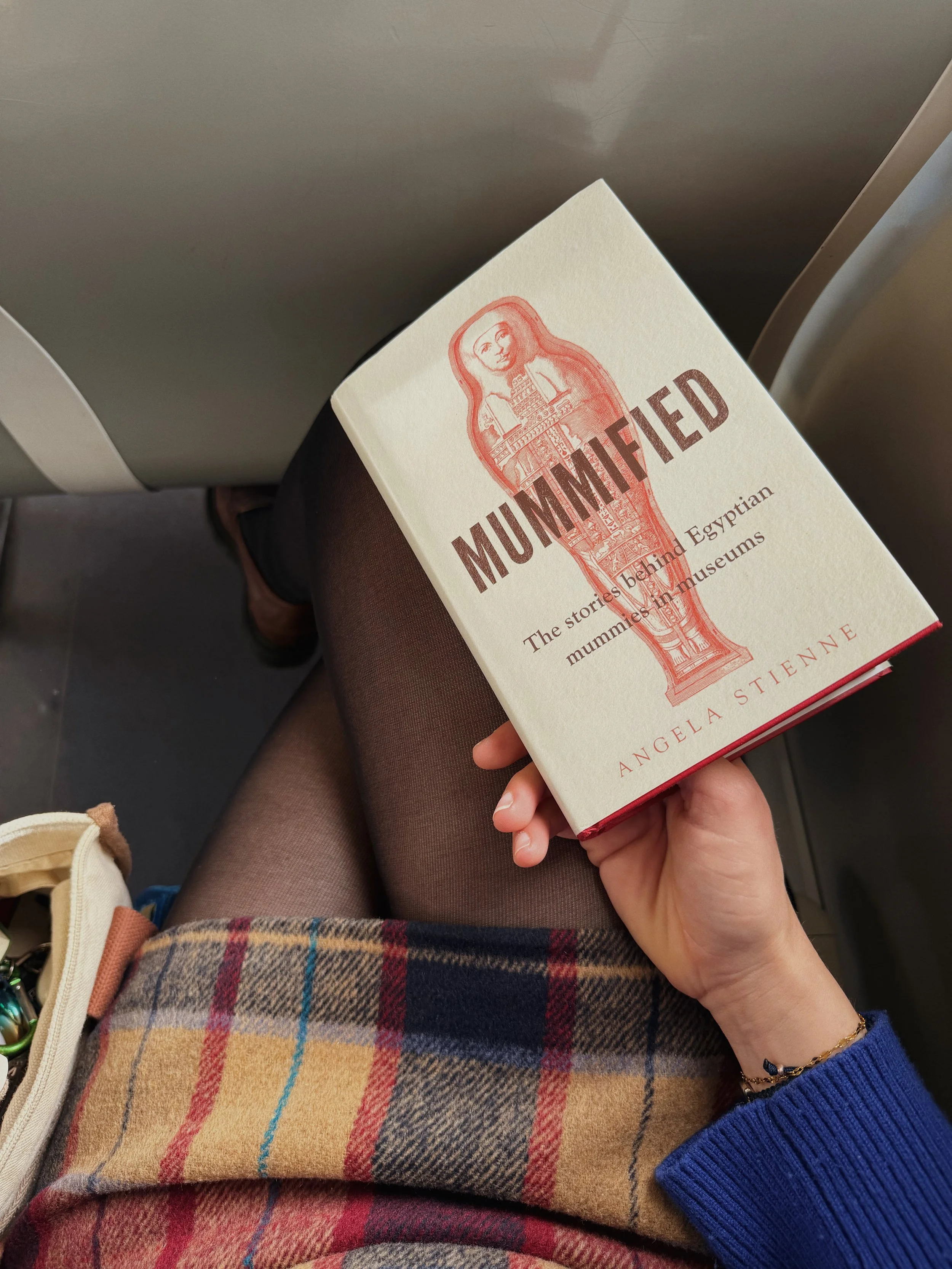
Mummified by Angela Stienne is fundamentally a book about human kind and ethics, which is discussed through the often confronting and unsettling history of displacement, treatment and display of Egytian mummies (human remains). Ultimately, the book questions whether there is an ethical way to interact and display with Egyptian mummies in museum contexts . The example of using virtual unwrapping as a way of utilising technology for 'non-invasive' display is should not be taken at face value as a 'respectful'.
The entire time, Stienne is challenging you, the reader, to think critically about the history of mummies in England and France and to confront your own biases and experiences with mummies in museums. Why do mummies, human remains of ancient peoples, get displayed in museums today, how did they get there and when did we become so entitled as to imagine we deserve to have access and viewing rights of these bodies, these people. I appreciate the attention given to vocabulary, and even the basic ways that Egyptian mummies are referred to — they are human beings, but at a point in history, they became objects and curiosities. Egyptian mummies have a long history in popular culture, which has aided in the separation in the wider consciousness that they are human beings, and this book works very hard to re-humanise what has long become objects, artefacts, and curiosities.
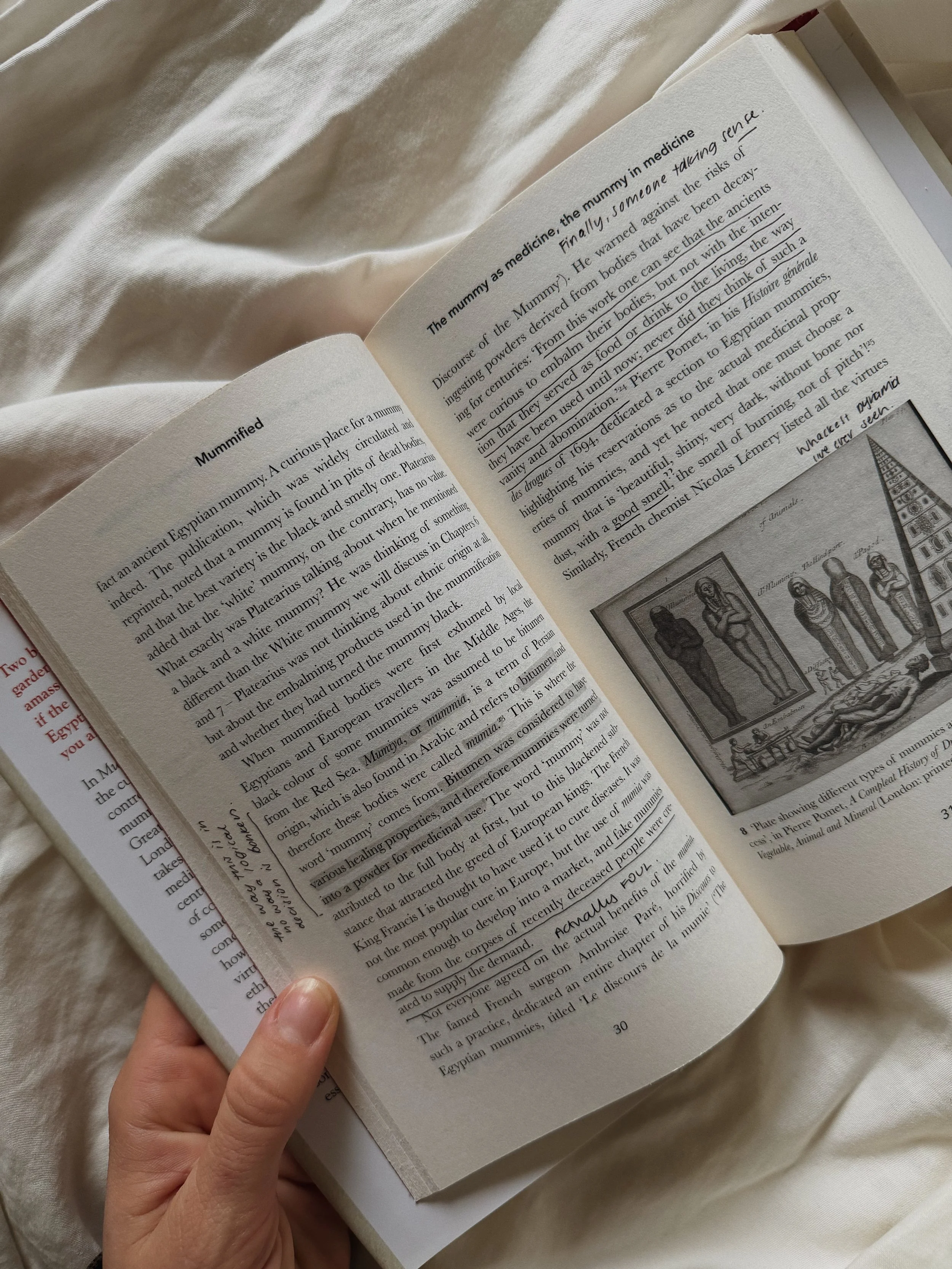
The book digs deep into the roots of racism and dehumanisation of Egyptian mummies, from their forceful displacement during early expeditions in the 18th century, to the inhumane unwrapping and consumption of ancient Egyptian human remains, the development of phrenology, eugenics and the use of the ‘white’ mummy to push specific racial agendas. Stienne follows various specific mummies that are currently housed in various museums and insititutions in England and France, and traces their story and movement from their intended resting place to public display (or storeroom). I admire her inclusion of the difficult, unpleasant and violent treatment of people living and dead in history that has come from the worlds obsession with ancient Egypt.
If you are looking for a book on the history of Egyptian mummification, the process and beliefs of ancient Egyptian funerary practices, this is not the book for you. If you are interested in the ethics of displaying human remains in museums, or if you have ever wanted to know how something from a different continent has ended up in a museum with no clear and available information present, then this is certainly the book for you.
I thought the case studies and personal experiences Stienne included in this book were poignant and, at times, very hard to read. The idea of the ‘other’ viewed by westerners and white Europeans is a pervasive phenomenon that hasn’t gone away, and as Stienne includes towards the end of her book, thinking aliens built the pyramids isn’t funny and quirky, its racist, and frankly shouldn’t be an idea perpetuated in the 21st century.
This is one of the best books I’ve read in 2026, and if you have any interest in archaeology, history, museums or the history of human kind, I would recommend this book.